

Lorem ipsum dolor sit amet consectetur. Integer ut lectus cras
The resistance welding market is a cornerstone of the automotive, aerospace, and electronics industries. This technique, which joins metal pieces using heat generated by electrical resistance, is renowned for its speed, efficiency, and ability to create strong, distortion-free welds.
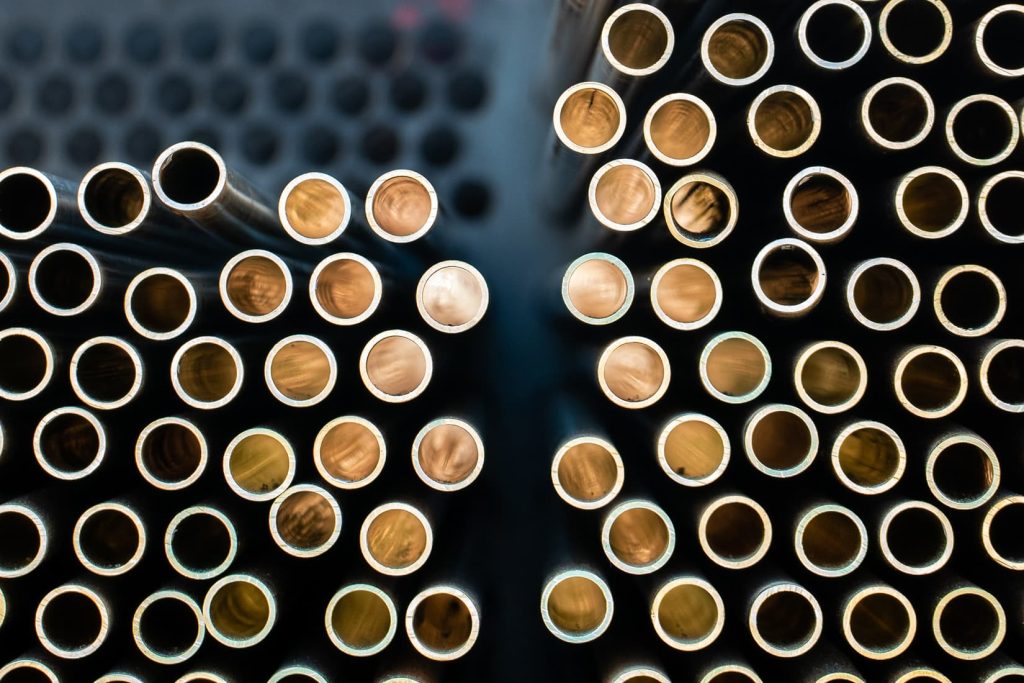
Fig. 1
Optimal materials for welding tips
Copper Alloys
Favored for their outstanding electrical and thermal conductivity, with popular choices including copper-chromium (CuCr) and copper-zirconium (CuZr) known for their wear resistance and durability.
Tungsten-Copper (W-Cu) Composites
These combine tungsten’s high melting point and strength with copper’s conductivity, ideal for high-load welding where longevity and heat dissipation are critical.
Molybdenum-Copper (Mo-Cu) Composites
Offering a balance of thermal conductivity and low thermal expansion, these are perfect for precision welding applications.
Enhancing Productivity, Efficiency, and Sustainability
Productivity
Advanced materials in welding tips facilitate faster cycles and extended service life, minimizing downtime and boosting throughput.
Efficiency
Superior thermal and electrical conductivity of copper alloys and composites ensures efficient heat transfer and minimal energy loss, reducing operational costs and enhancing welding efficiency.
Sustainability
Durable welding tips decrease replacement frequency, cutting down waste and the environmental impact associated with manufacturing and disposal. Efficient welding processes also consume less energy, promoting overall sustainability.